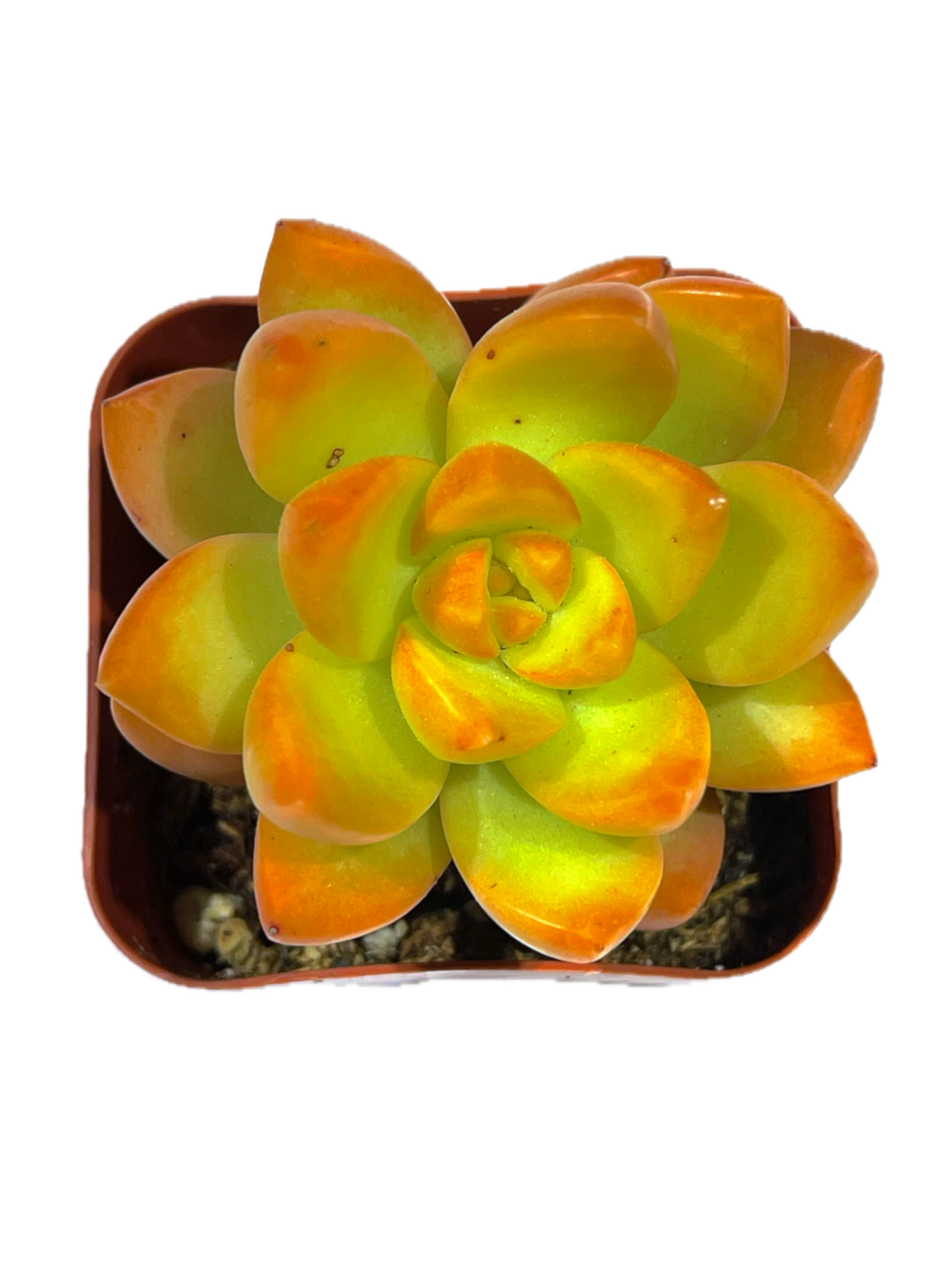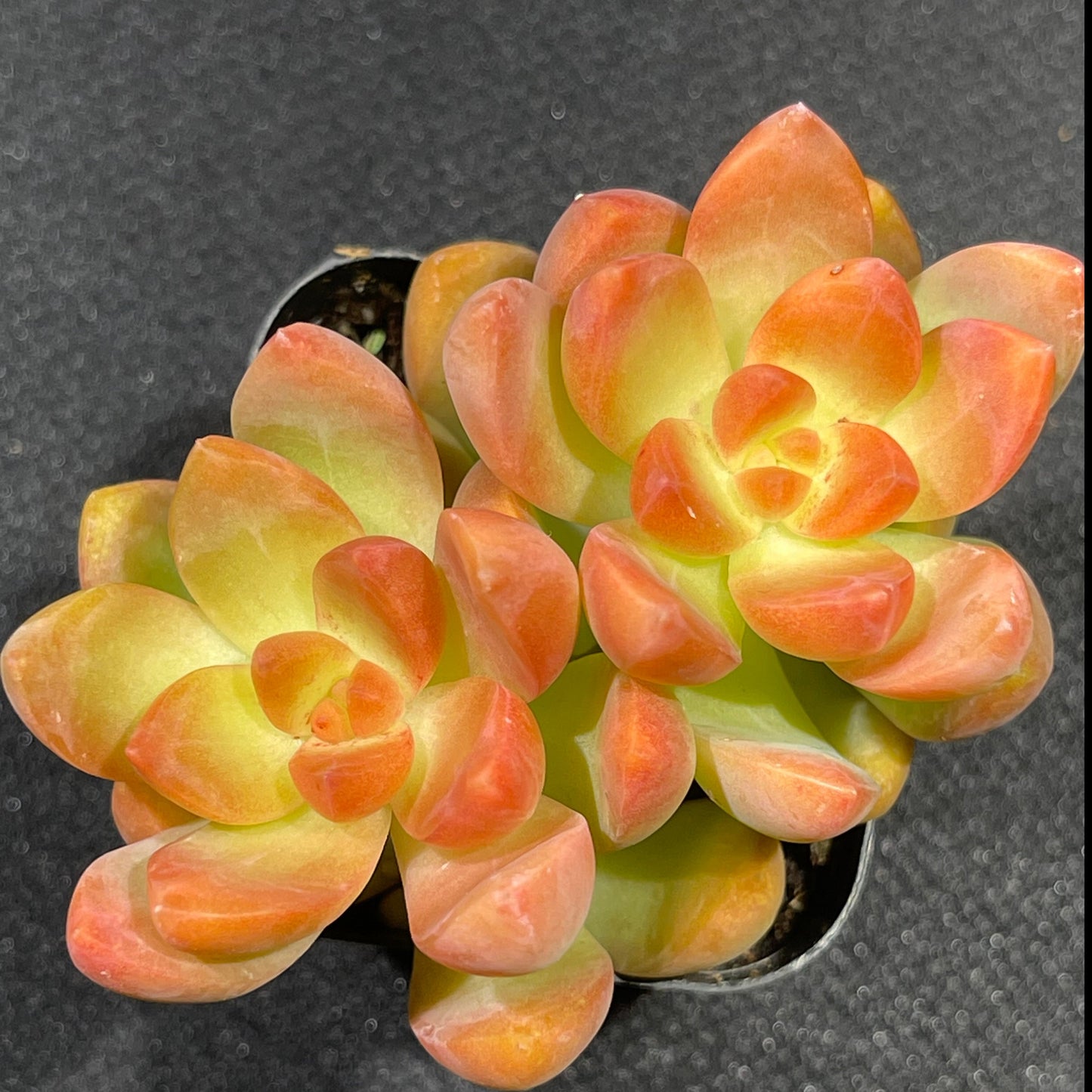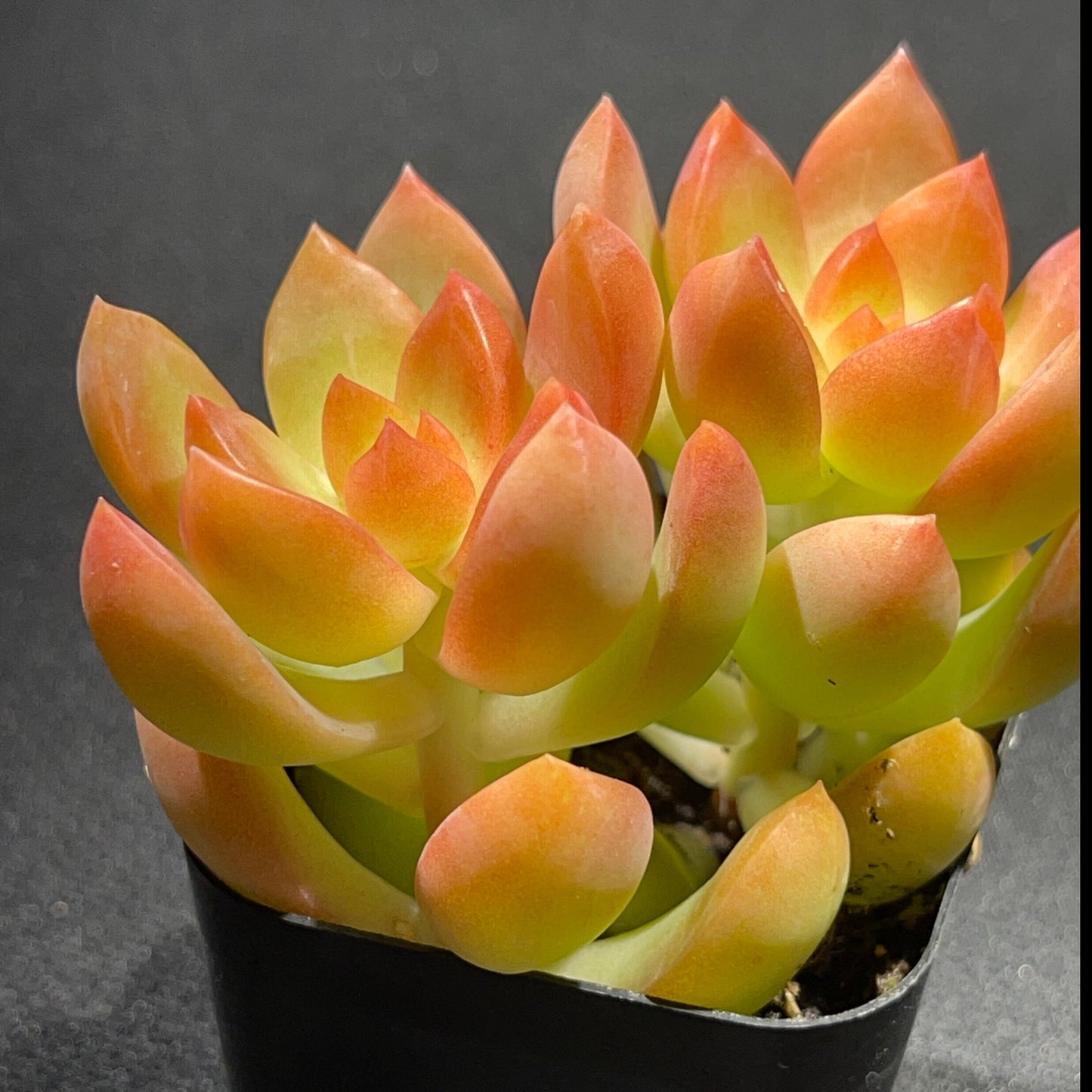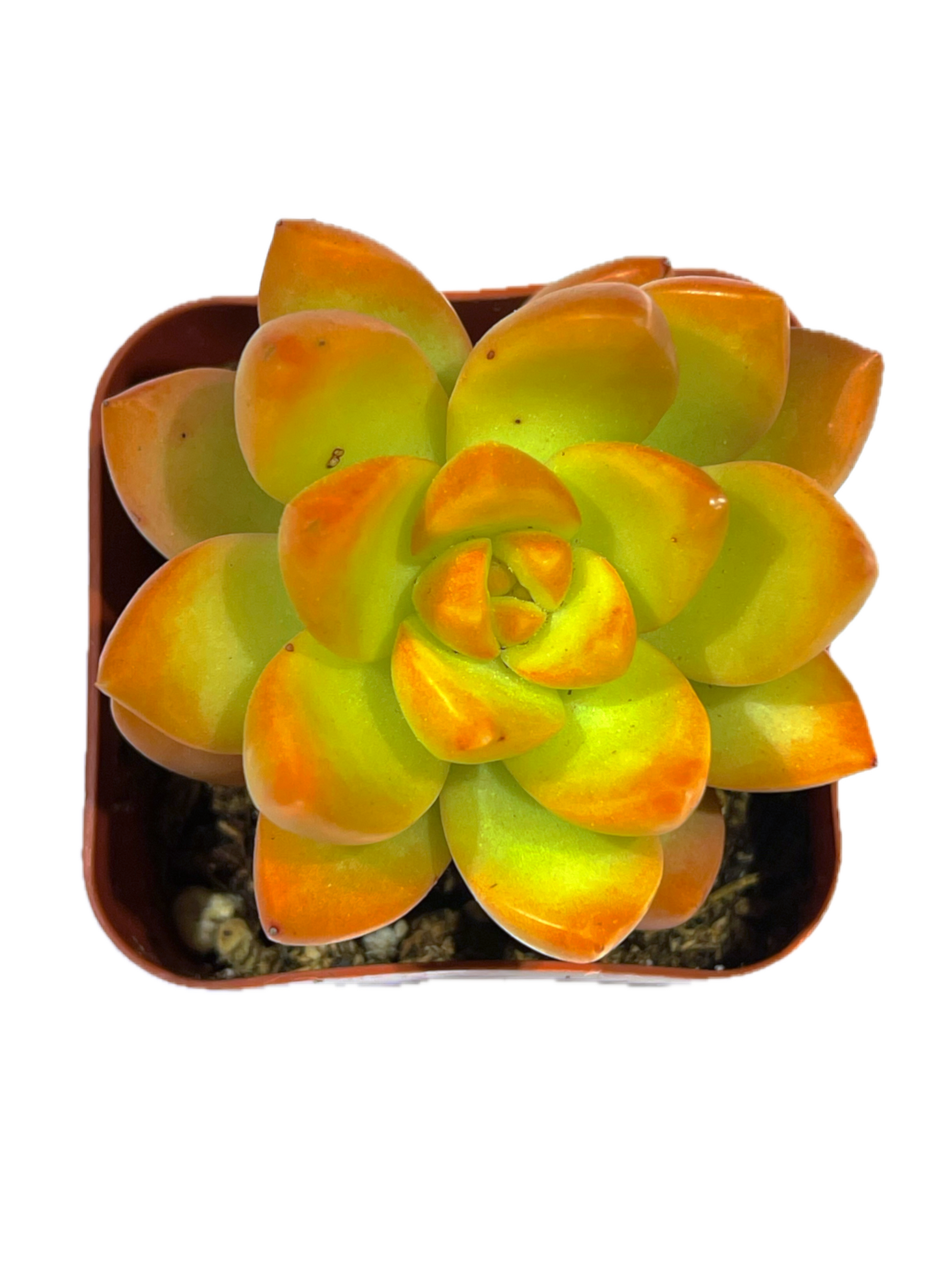
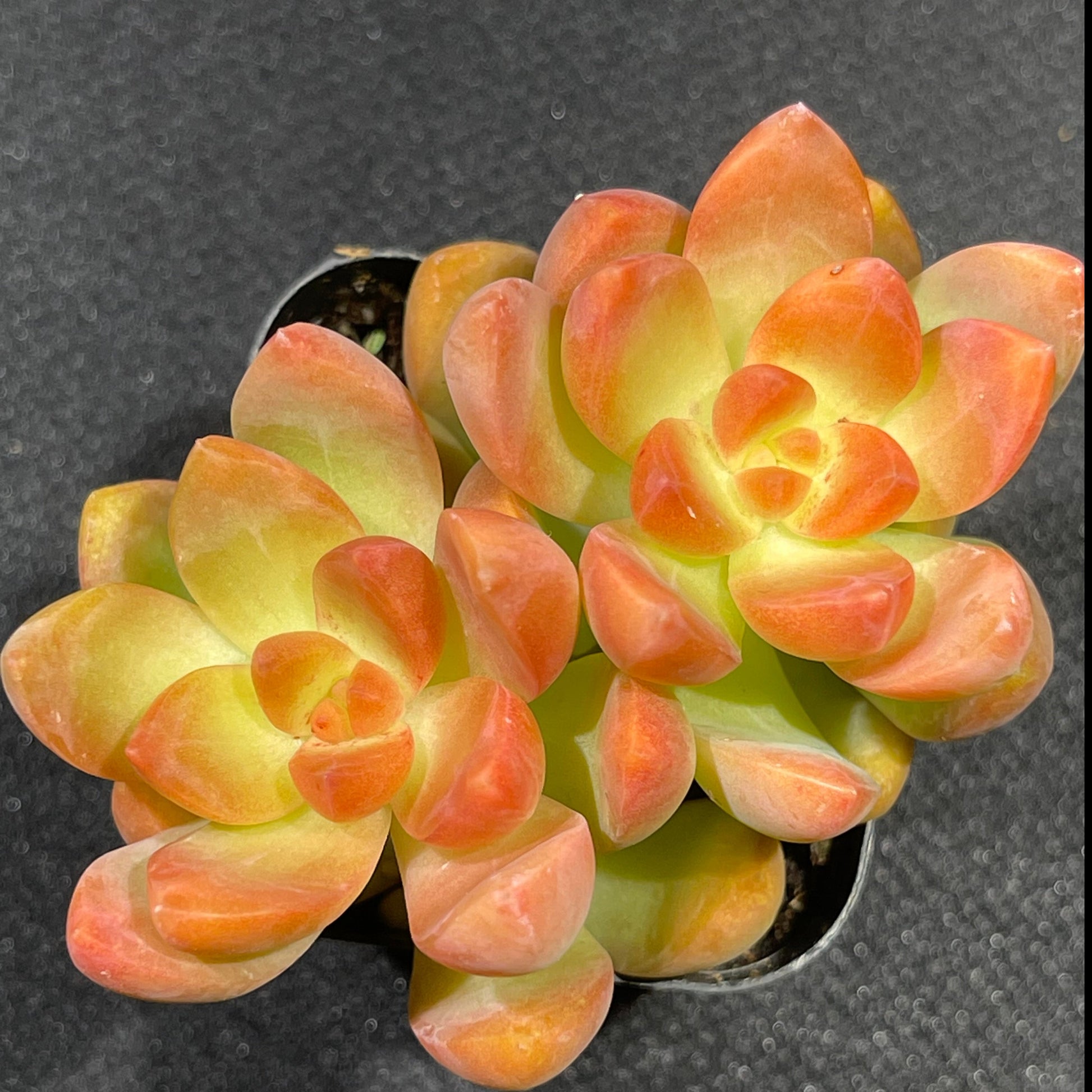
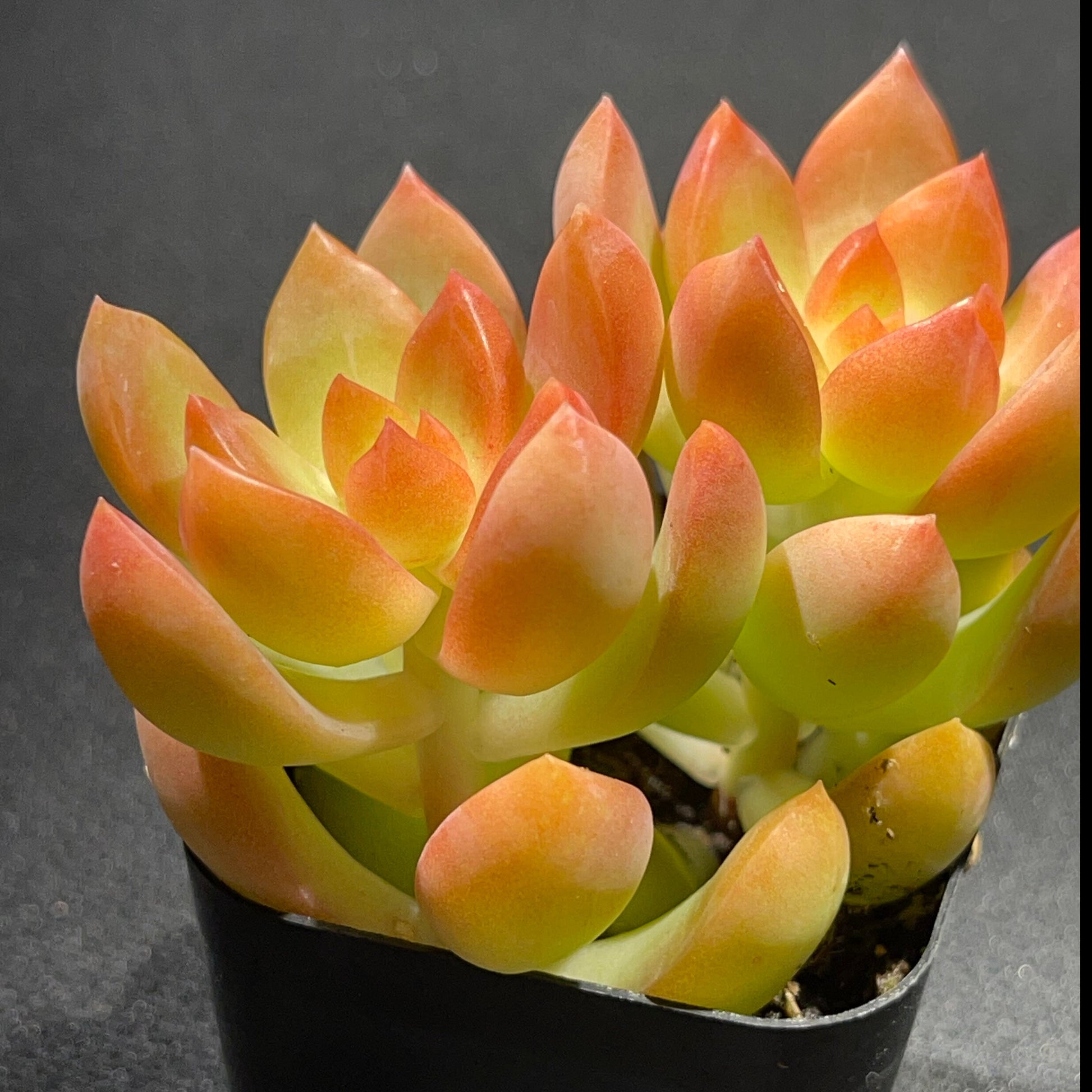
Golden Glow Sedum, botanically listed as Sedum adolphi, is a live succulent plant selected for its distinctive form and ornamental appeal. Natural color, size, form, and presentation may vary slightly with season, maturity, and growing conditions.
Sedum adolphi, commonly referred to as Golden Glow, is a vibrant and attractive succulent that brings a splash of color to any garden or indoor space. Below is a detailed overview of its morphological characteristics, growth habits, maintenance points, and reproduction methods:
Morphological Characteristics
- Leaves: Sedum adolphi sports fleshy, spoon-shaped leaves that are a striking green color, turning golden to bright orange or even reddish under full sun or during cooler winter months. The leaves are arranged in rosettes and can create a dense, bushy appearance as the plant matures.
- Size: It can grow up to 20-30 cm (8-12 inches) tall and spreads outwards, forming clumps.
- Flowers: In spring, it produces star-shaped, white to slightly yellow flowers on tall, arching inflorescences, adding further appeal to its already colorful foliage.
Growth Habits
- Light: Prefers full sun to partial shade. Bright sunlight encourages the leaves to develop their characteristic golden color.
- Temperature: It is somewhat frost-resistant but does best in temperatures above freezing. In regions with cold winters, it is best grown as a houseplant or brought indoors during the colder months.
- Water: Like most succulents, Sedum adolphi requires minimal watering. Allow the soil to dry out completely between waterings to prevent root rot.
Maintenance Points
- Soil: Well-draining soil is crucial. A cactus or succulent potting mix is ideal.
- Pot: If growing in containers, ensure pots have good drainage holes to avoid water accumulation.
- Fertilizer: Feeding is not necessary, but a light application of a succulent fertilizer during the growing season can promote growth and flowering.
- Pruning: Pruning is rarely needed but can be done to shape the plant or remove any damaged or diseased leaves.
Reproduction Method
- Leaf cuttings: The simplest way to propagate Sedum adolphi is through leaf cuttings. Gently twist a leaf from the stem, let it callous over for a few days, and then place it on top of soil. Roots and a new plant will eventually form.
- Stem cuttings: Similar to leaf cuttings, stem cuttings can be made by cutting a stem, allowing it to callous over, and then planting it in soil. This method often results in quicker growth compared to leaf cuttings.
- Offsets: As the plant matures, it may produce small offsets around the base, which can be carefully removed and replanted to start new plants.
- Seeds: While not the most common method, Sedum adolphi can also be grown from seeds. Sow seeds in well-draining soil and keep moist until germination.
Sedum adolphi's colorful foliage and low maintenance requirements make it a popular choice for succulent gardens, rockeries, and as a container plant. Its ease of care and vibrant coloration are especially appealing to both novice and experienced gardeners alike.
Sedum
Note: It's normal for succulents to appear slightly shriveled after shipping. They usually recover within a few days in a suitable environment.
- Contact us within 48 hours of delivery with photos of the plant and packaging.
- We will review each case and help with a replacement, credit, or refund.
- Minor shipping stress (a few dry leaves, light soil shift) is normal and recovers quickly.
Due to the perishable nature of live plants, we are unable to accept standard returns. If your order arrives damaged, please use our Live-Arrival Guarantee above.
View refund policy →