

Arrived healthy and well-packaged without excessive packing material
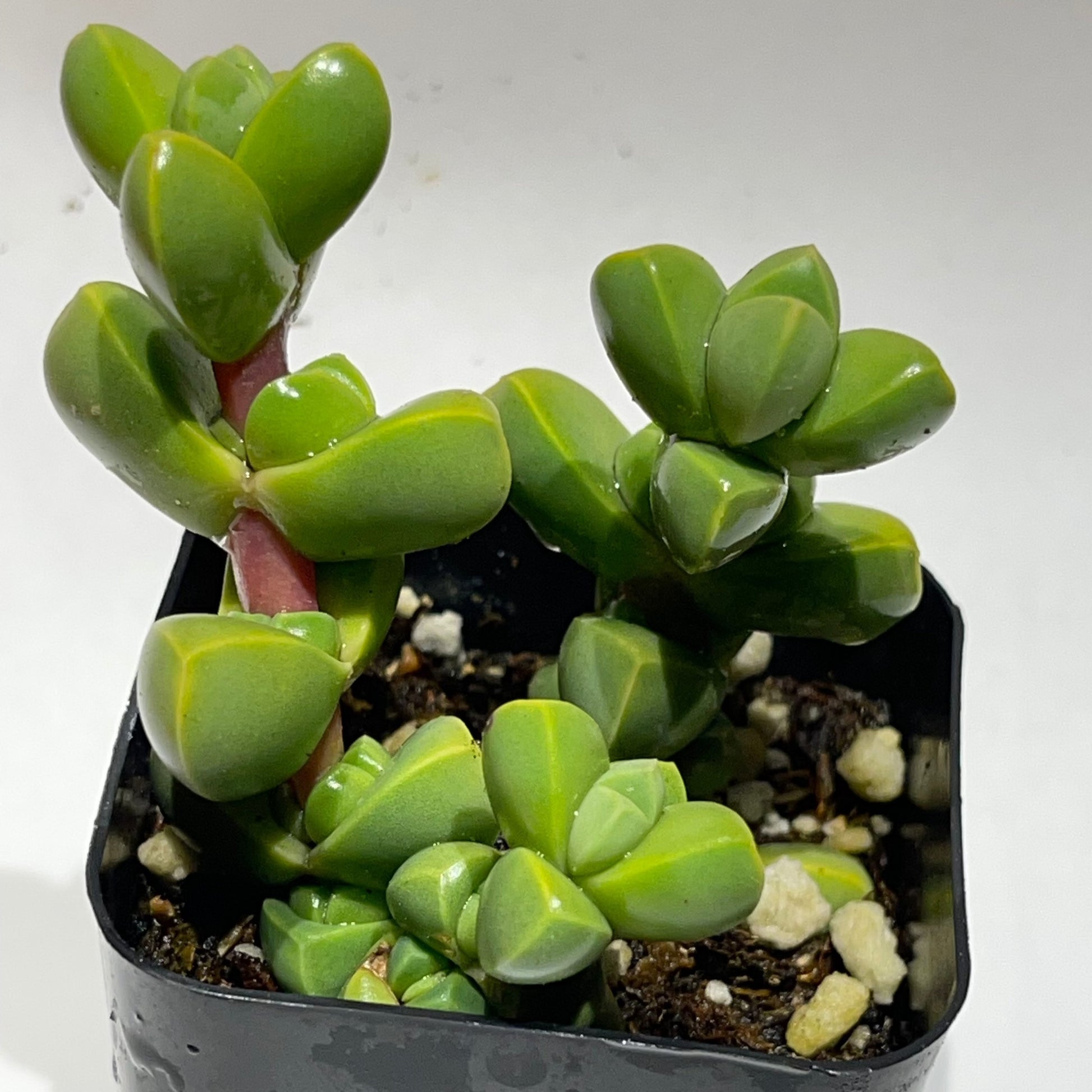
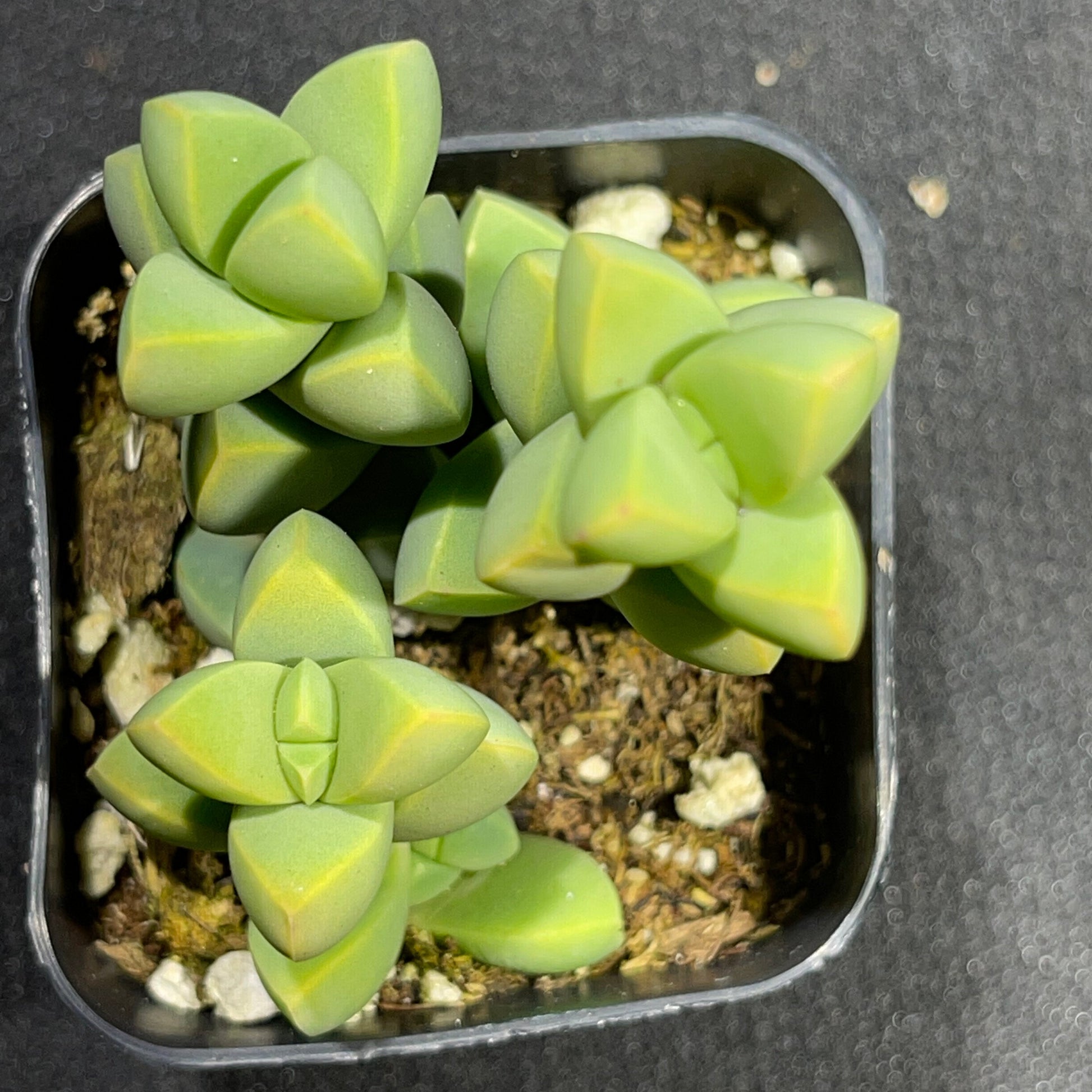
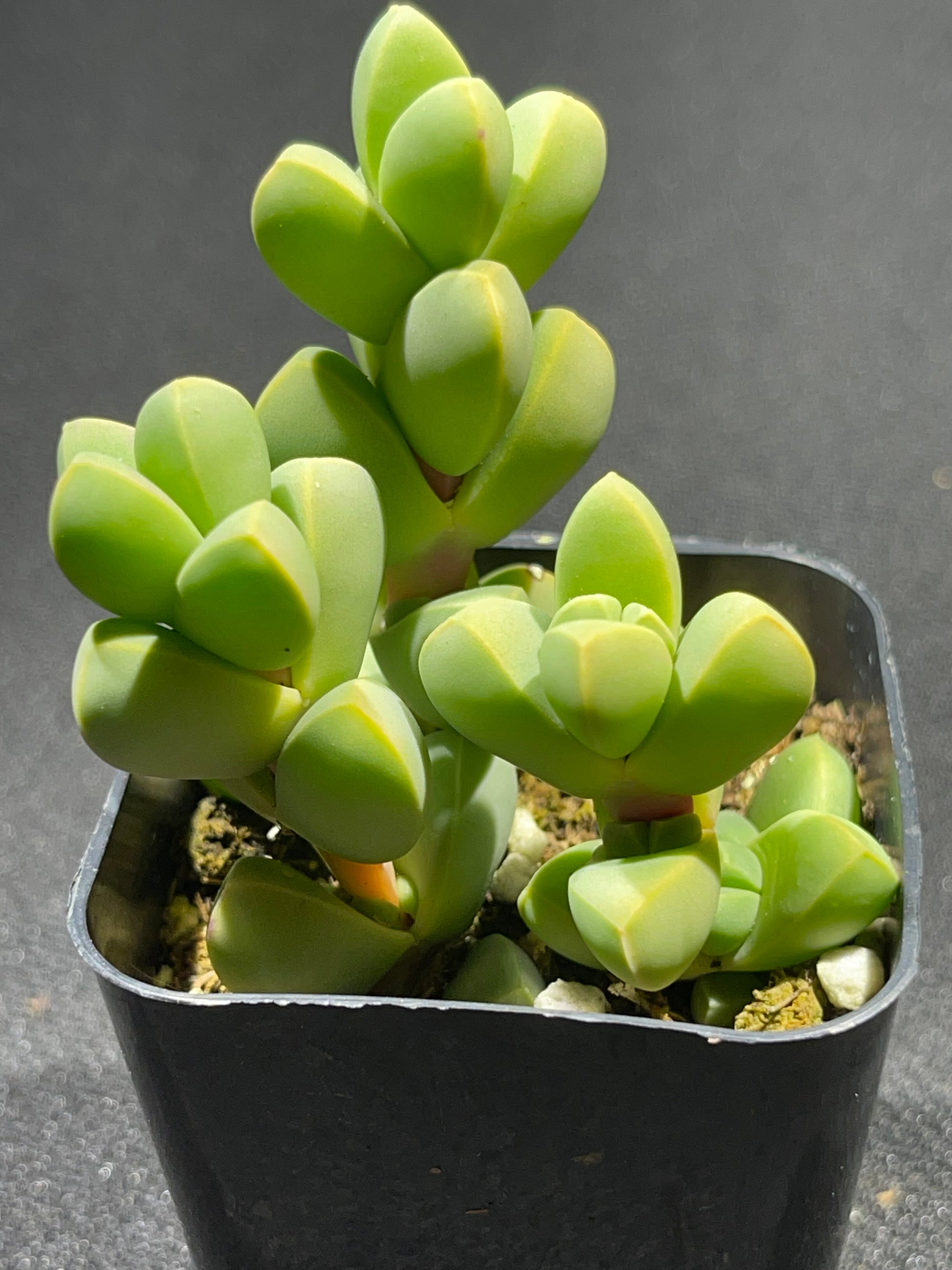
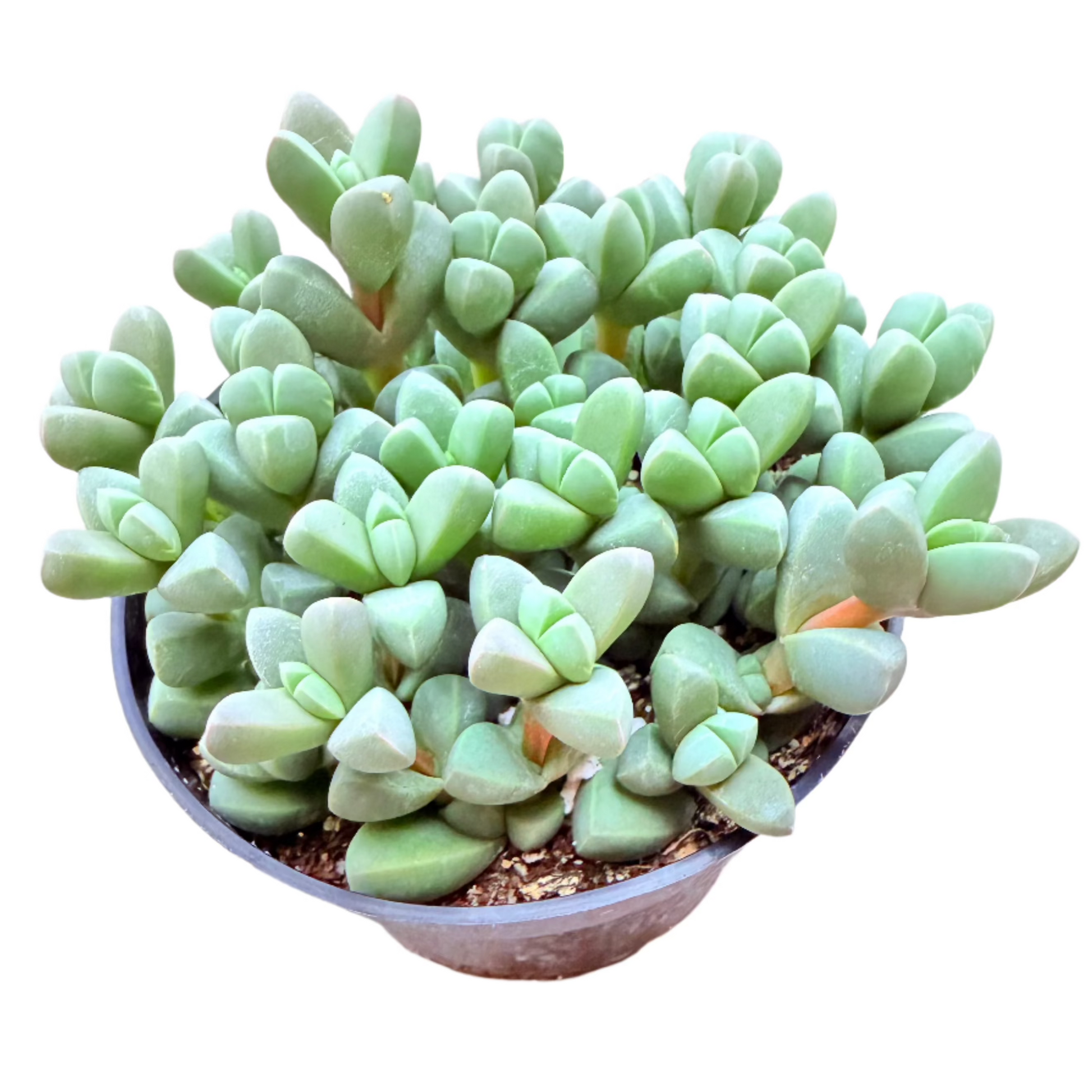
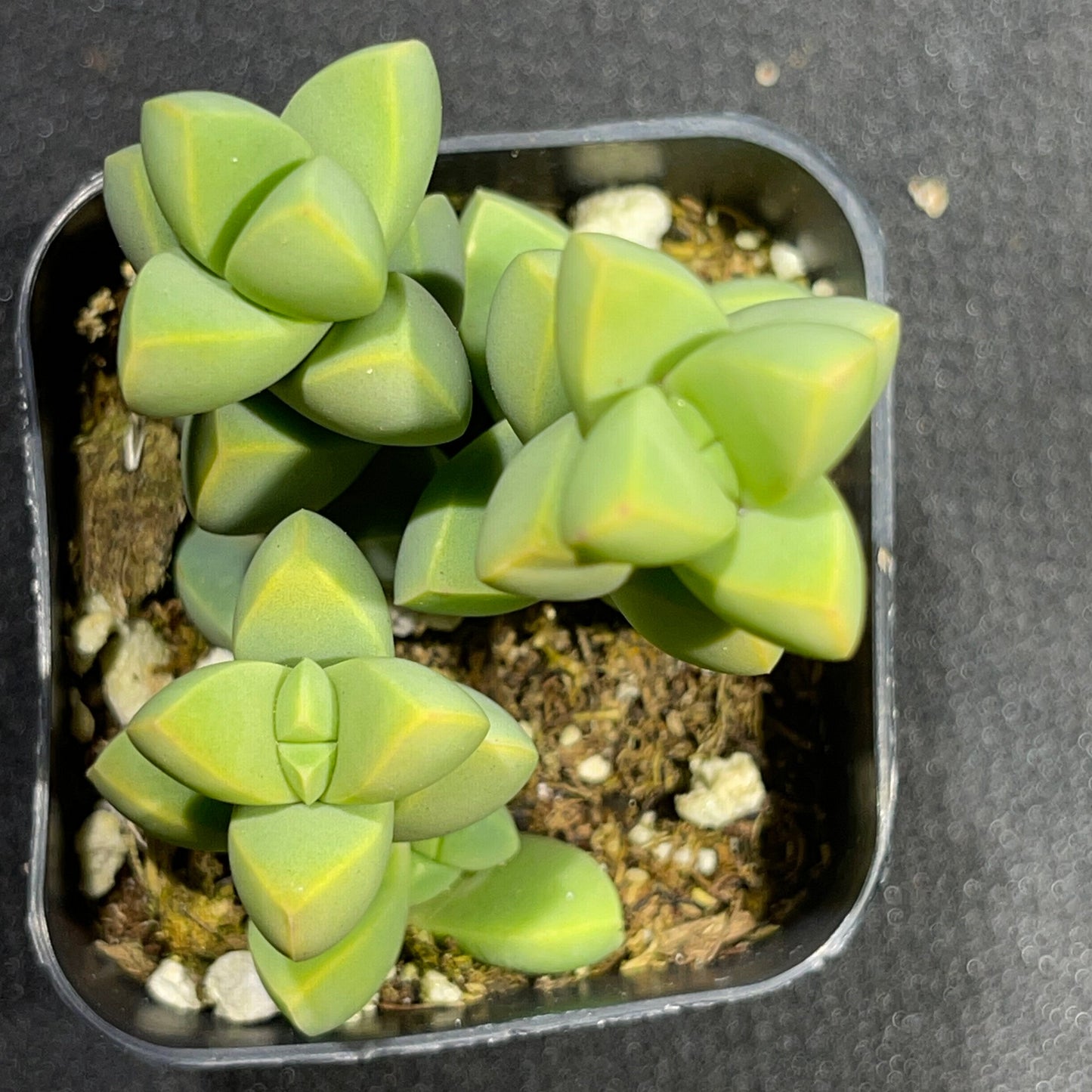
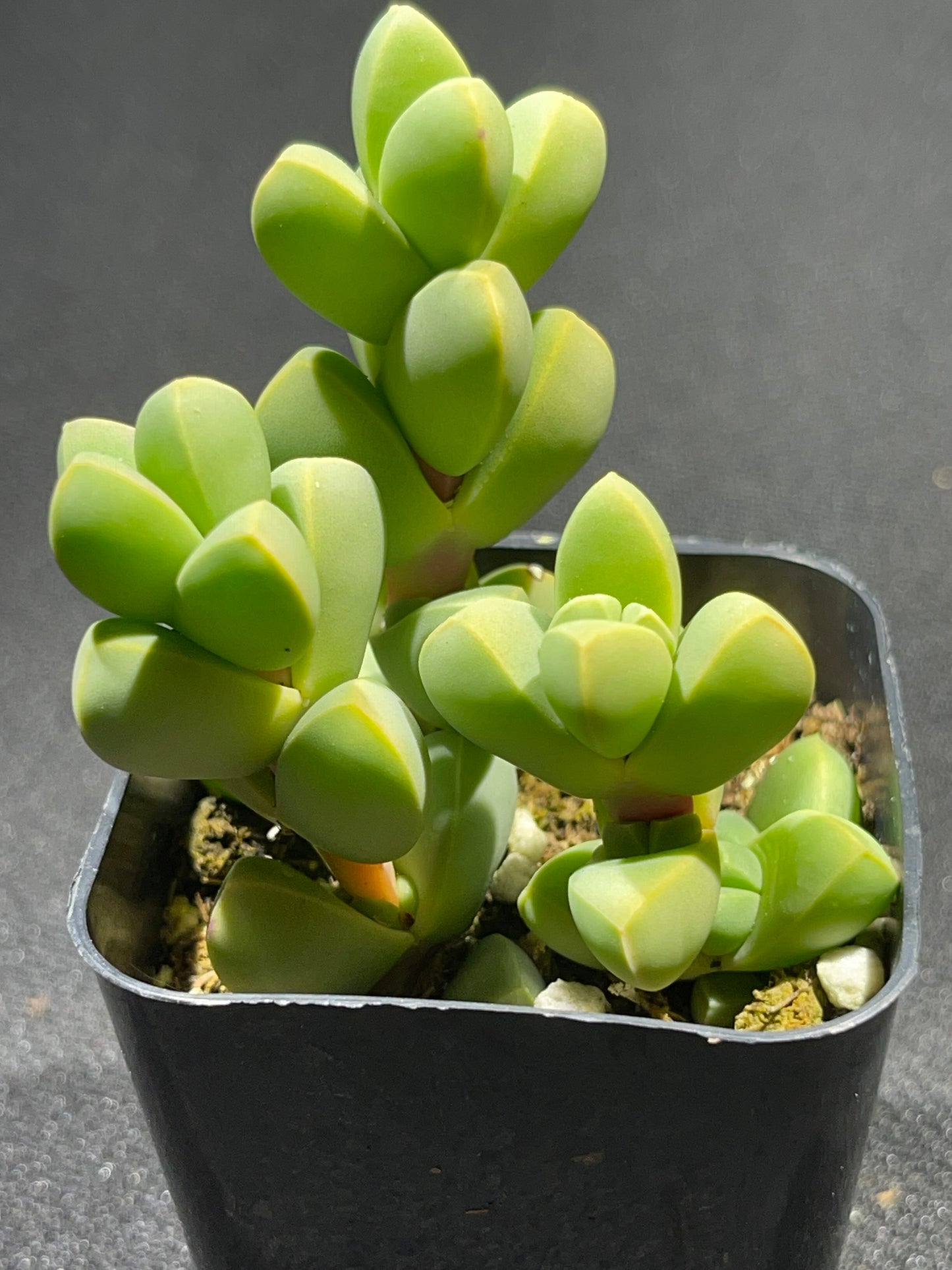
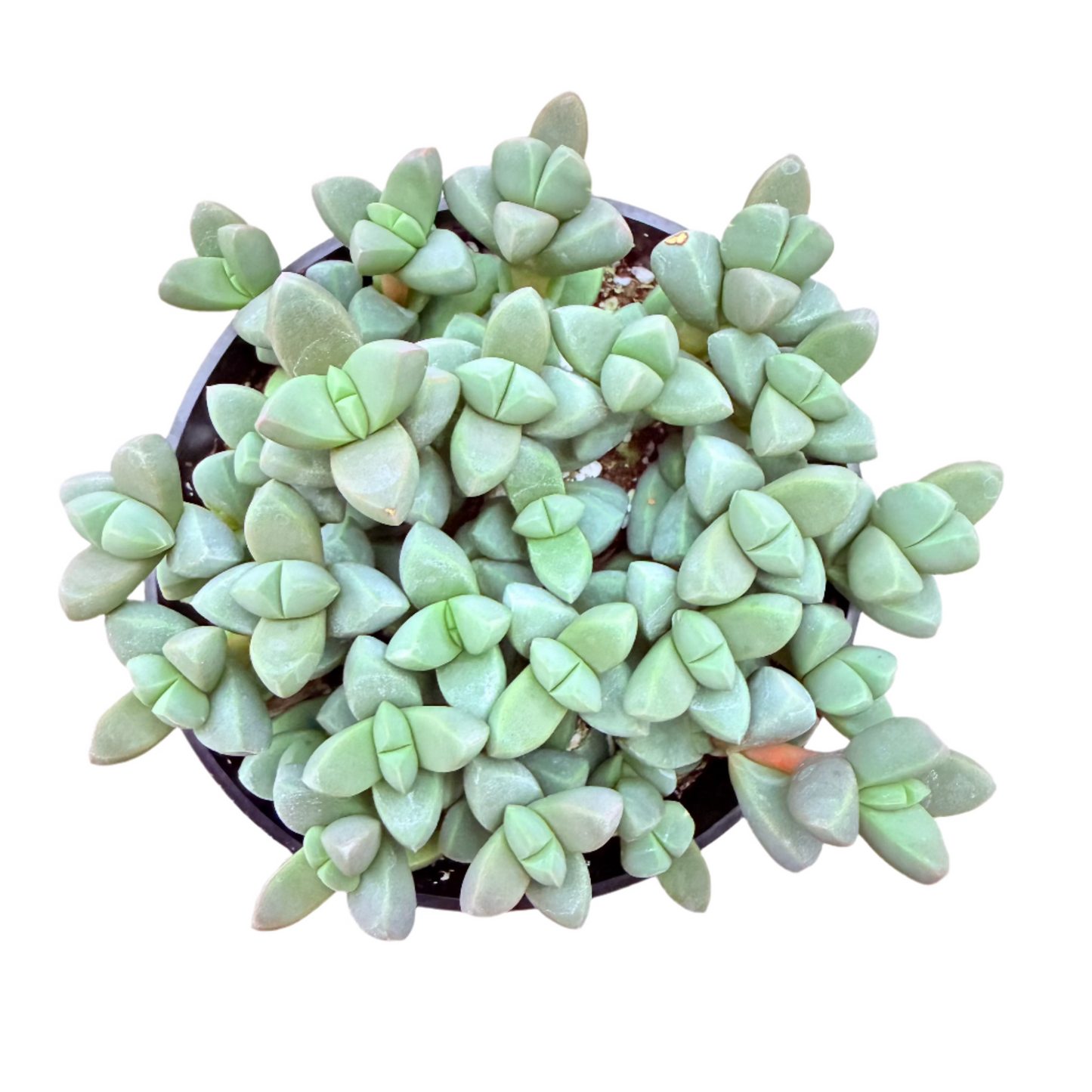
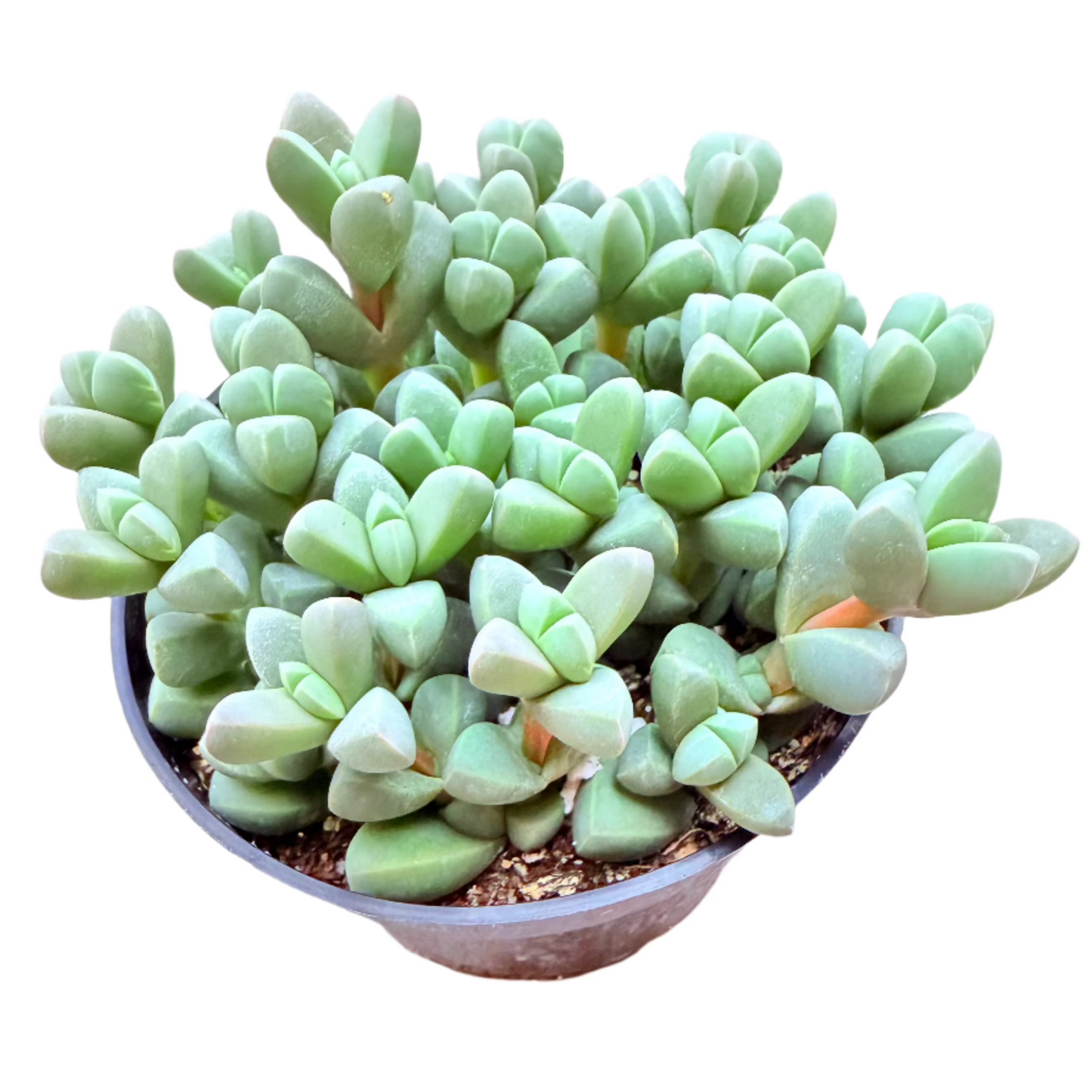
Ice Plant, botanically listed as Corpuscularia lehmannii, is a live succulent plant selected for its distinctive form and ornamental appeal. Natural color, size, form, and presentation may vary slightly with season, maturity, and growing conditions.
Corpuscularia lehmannii, commonly known as Ice Plant, is a distinctive and attractive succulent plant. Here's an in-depth look at its morphological characteristics, growth habits, maintenance points, and reproduction methods:
Corpuscularia lehmannii's striking appearance and easy-care nature make it a popular choice for rock gardens, succulent arrangements, and as a potted plant indoors or out. Its unique leaf shape and coloration add a fascinating visual interest to any collection of succulents or drought-tolerant plantings.
Note: It's normal for succulents to appear slightly shriveled after shipping. They usually recover within a few days in a suitable environment.
Due to the perishable nature of live plants, we are unable to accept standard returns. If your order arrives damaged, please use our Live-Arrival Guarantee above.
View refund policy →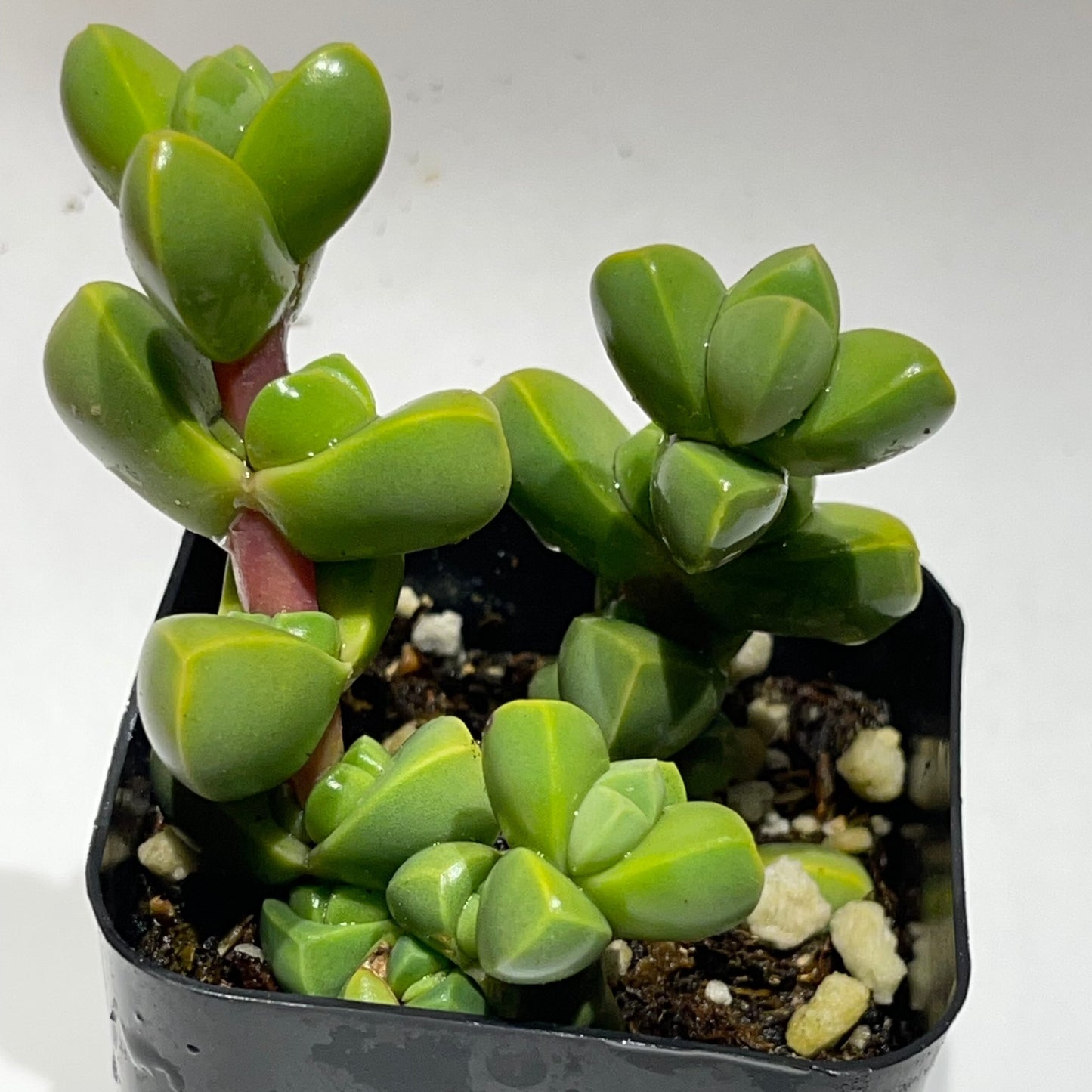
Overall rating: 4.8 / 5 from 35 reviews.
Arrived healthy and well-packaged without excessive packing material

The plant arrived in perfect condition, and when they said it would arrive.

Love it!!

This is one of the very first few succulents I ordered please do not judge the shop by the appearance of my video it's thirsty because of me when I got it it looked amazing. I was just looking at it today because I hadn't checked on it in a while and noticed I needed to give him some water I've been occupied with other succulents at the moment but this one right here as always been my favorite because it came so sturdy so shiny so beautiful.

What a beautiful healthy plant! I love the unusual shape of the leaves on the ice plant. Would buy from this seller again happily

Ice plant arrived in good condition. Packaged well and shipped pretty quickly. Very happy with this little guy.

Love this can't wait for it to grow came very well packaged.

great quality!

Was packaged very well, plant arrived in great condition. Fast shipping.

It came well packaged with great quality.

Great looking plant! Very happy with this seller!

This little guy is doing well and growing!
Arrives on time and looks great!
Nice plant and shipping was well done
The packaging is perfect for shipping and it keep the plant safe. Opening the package was easy and, dressed inside very well so you can't damage the plant. However, still be careful and gentle while opening. The plant was very healthy. Ready to put on a sunny shelf. It didn't need water right off. Two days later, I watered from the bottom and spayed the top dirt till wet. It's beautiful and it's a happy add-on to the plants I already have.
Plants arrived in perfect condition! Thank you!
Very cute plant! Packaged carefully.
they are ok, it took a very long time to get them.
It arrived in great condition and was as described. I would order from this company again.
Showed up on time with no damage. Love the plant, and I look forward to watching it grow
Came fast, was packaged well. No issues
The plant is adorable and I have never received an order that fast.It was packed so well. I Wii definitely order from you again.
Even though it was smaller than pictured, plant arrive quickly and in good shape
The plant is beautiful and thriving ! Thanks and I will be ordering from you again in the future. -Rick
Lovely healthy plant packed so well and sent right away.
Quality
Aside from the packaging being a little funky to open up (which is understandable, how do you really mail someone a live plant?), I'm quite satisfied by the purchase and would choose this seller again for other succulents.
Plants were packed well and just as advertised! Price was very reasonable too.
Love it
Everything I was hoping for from an Etsy shop. Plant was in perfect shape.
Awesome plant very nice and healthy.
All plants arrived safely. They were well packed
Very cute, healthy, looking item.
Nice healthy little plant. Well packaged for shipping.
Nice plant